

Accessventurezone - barbering workshops
Sharp skills.
Practical training.
Barbering is a craft that rewards hands-on repetition over passive study. This platform puts you in front of real techniques, structured exercises, and working professionals who cut hair for a living.
Each workshop is built around a specific skill - fades, scissor work, beard shaping - with step-by-step assignments you complete at your own pace.
What stops most people before they start
"I don't know if online training translates to real skill."
It does - when the exercises are designed around physical repetition. Every module here ends with a practical task you perform on a mannequin head or a willing volunteer, not a quiz.
"I'm not sure where I fit - beginner or intermediate?"
Each workshop lists the exact techniques it assumes you already know. You can audit the first lesson of any course before committing to understand whether the pace matches yours.
"I've tried video tutorials before. They don't stick."
Passive watching rarely builds muscle memory. Here, video is paired with timed drills, peer review from other participants, and instructor feedback on your submitted work.
What's on the platform
A focused selection of skill tracks

Fade fundamentals
Covers blending guards 0.5 through 4 with consistent hand angle. Participants submit three fade photos across the module for instructor review.

Scissor-over-comb control
Focuses on comb angle, cutting speed, and section management. Designed for barbers who already fade confidently but struggle with textured or thick hair.

Beard shaping and line work
Straight-razor lining, beard symmetry checks, and client consultation for face shapes. Includes a collaborative assignment with peer critique.
Scale that reflects real use, not projections

Connected to what's actually happening in barbershops
The curriculum is reviewed twice a year with input from working barbers across Australia, the UK, and West Africa. When a technique shifts in professional practice - like the current move toward softer fade lines - the modules reflect it within one revision cycle.
Instructors are active professionals, not retired educators. Several contribute content while running their own shops, which keeps the material grounded in client expectations rather than textbook ideals.
Interviews with specialistsWhat participants say after finishing
"I'd been cutting for two years and couldn't figure out why my fades looked patchy. The module on guard transitions - specifically the section on hand pressure at the blend line - fixed something I'd been doing wrong the whole time."
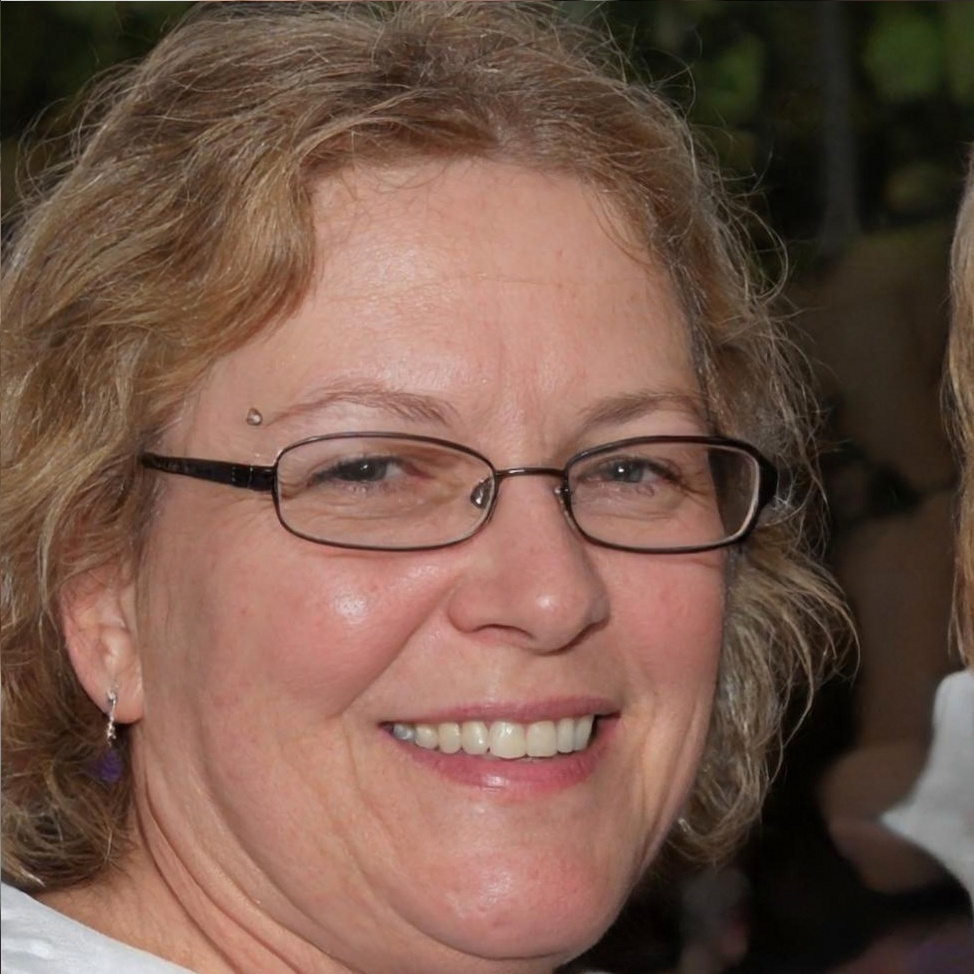
Tobias Eklund - Stockholm
Completed the beard shaping track while working full-time. Says the peer critique assignments were more useful than any feedback he'd received in a physical class.
Reuben Achterberg - Christchurch
Started as a complete beginner. Finished three workshops over four months. Now cutting clients in a shared booth, building a regular book.
Mirela Vukić - Sarajevo
Used the scissor-over-comb module to prepare for a licensing assessment. Passed on first attempt. Notes the instructor feedback on her submission video was specific and actionable.

Recognise yourself in any of these?
You've been cutting friends' hair for a year
You get decent results but can't explain why something works or fails. Structured feedback would give you language for what your hands are already learning.
You're in a market where barbershops are growing
You want to enter the trade but don't have access to an apprenticeship locally. The workshops are designed to work without a mentor physically present.
You cut professionally but have a specific gap
Maybe your fades are solid but your beard work is inconsistent. A single specialist module - without committing to a full programme - covers exactly that gap.
You learn better when you can pause and revisit
Every technique video can be rewatched. Assignment deadlines are generous. The platform is built for people who process by doing, not by watching once and moving on.