
Accessventurezone - barbering education
About the team behind the scissors
A group of working barbers and educators who built a structured online learning environment because the alternatives were either too shallow or too scattered to be useful in a real shop setting.

What we actually do
Practical barbering skills
Accessventurezone started in 2017 with a straightforward problem - most online courses covered theory without ever addressing how a haircut behaves differently on a dense beard versus fine hair. We built workshops around that gap.
Every module is structured around a specific task: a fade technique, a straight-razor finish, a consultation framework. Learners work through the steps, make mistakes in a low-stakes environment, and iterate.
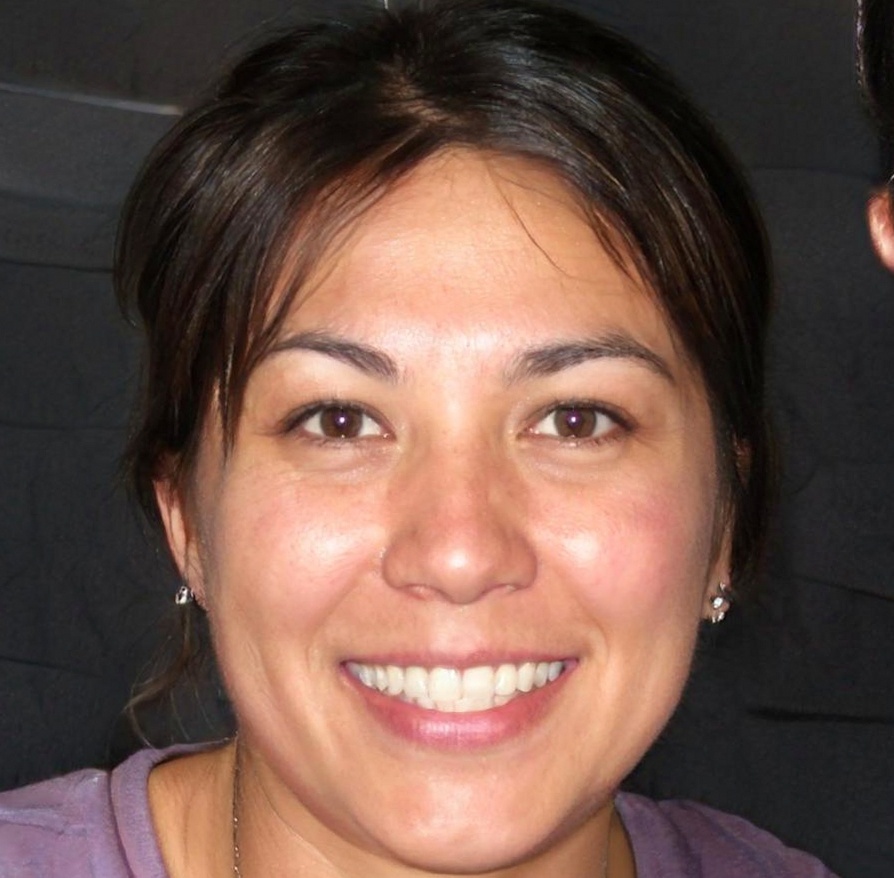
Petra Vanhout
Lead Instructor - Scissor Techniques
How workshops are structured
Step-by-step assignment format
Each workshop breaks a skill into discrete, numbered steps. You film or photograph your work at each stage, then submit for instructor or peer review before moving forward.
Skill checkpoints, not quizzes
Progress gates are based on demonstrated work rather than multiple-choice answers. An instructor confirms the output meets a defined standard before the next module unlocks.

Collaborative critique sessions
Participants from different countries review each other's submitted work using a structured rubric. Feedback covers blending, line clarity, and client communication - not just aesthetics.
The cross-cultural dimension adds genuine value: a technique that reads as polished in one market may need adjustment for another. Participants learn to read context, not just execute cuts.
Global reach, local craft
Participants join from across Europe, Southeast Asia, West Africa, and the Americas. The platform interface is available in multiple languages, and workshop materials are written for clarity across cultural reading styles.
Multilingual support is not a marketing feature - it's a structural requirement when your instructors and learners are spread across a dozen time zones and four continents.
- Workshops available in 7 languages with localised examples
- Assignment submissions accepted in any language with translation support
- Instructor pool spans 14 countries across 5 continents
- Live critique sessions scheduled across 3 time zone windows
- Cultural adaptation notes included in technique modules